Learn
Documentation
Books, the language standard, and where to look things up.
Books
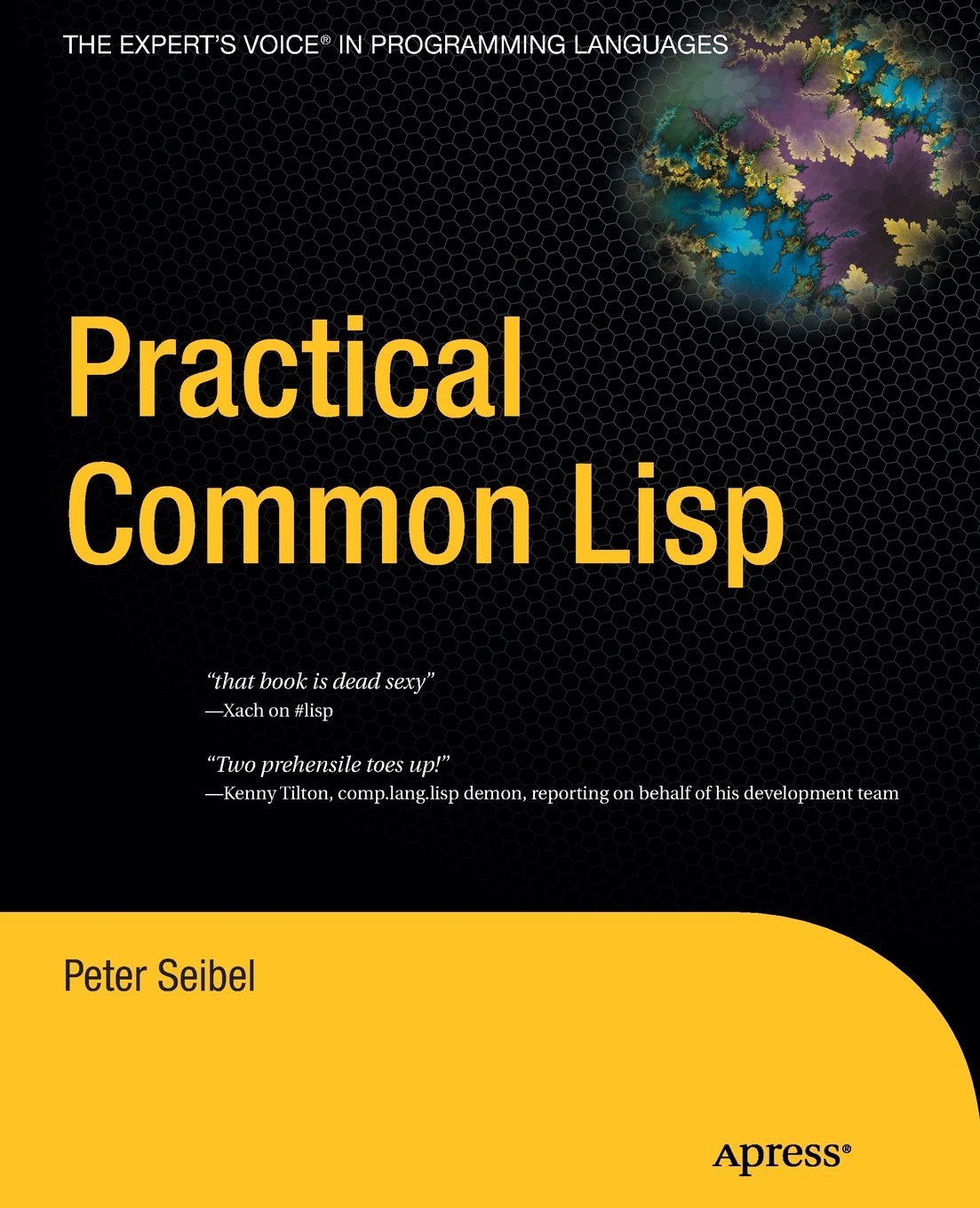
Practical Common Lisp
Lisp is often thought of as an academic language, but it need not be. This is the first book that introduces Lisp as a language for the real world: a thorough introduction to Common Lisp, its features and how they work.
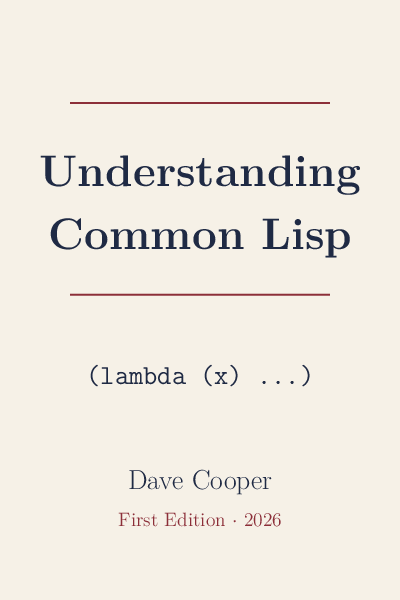
Understanding Common Lisp
A short introduction for working programmers: the tools and the REPL, the language, and the libraries that reach the outside world. First edition 2026, derived from the third edition of Basic Lisp Techniques, which Franz published in 2000, 2003 and 2011.
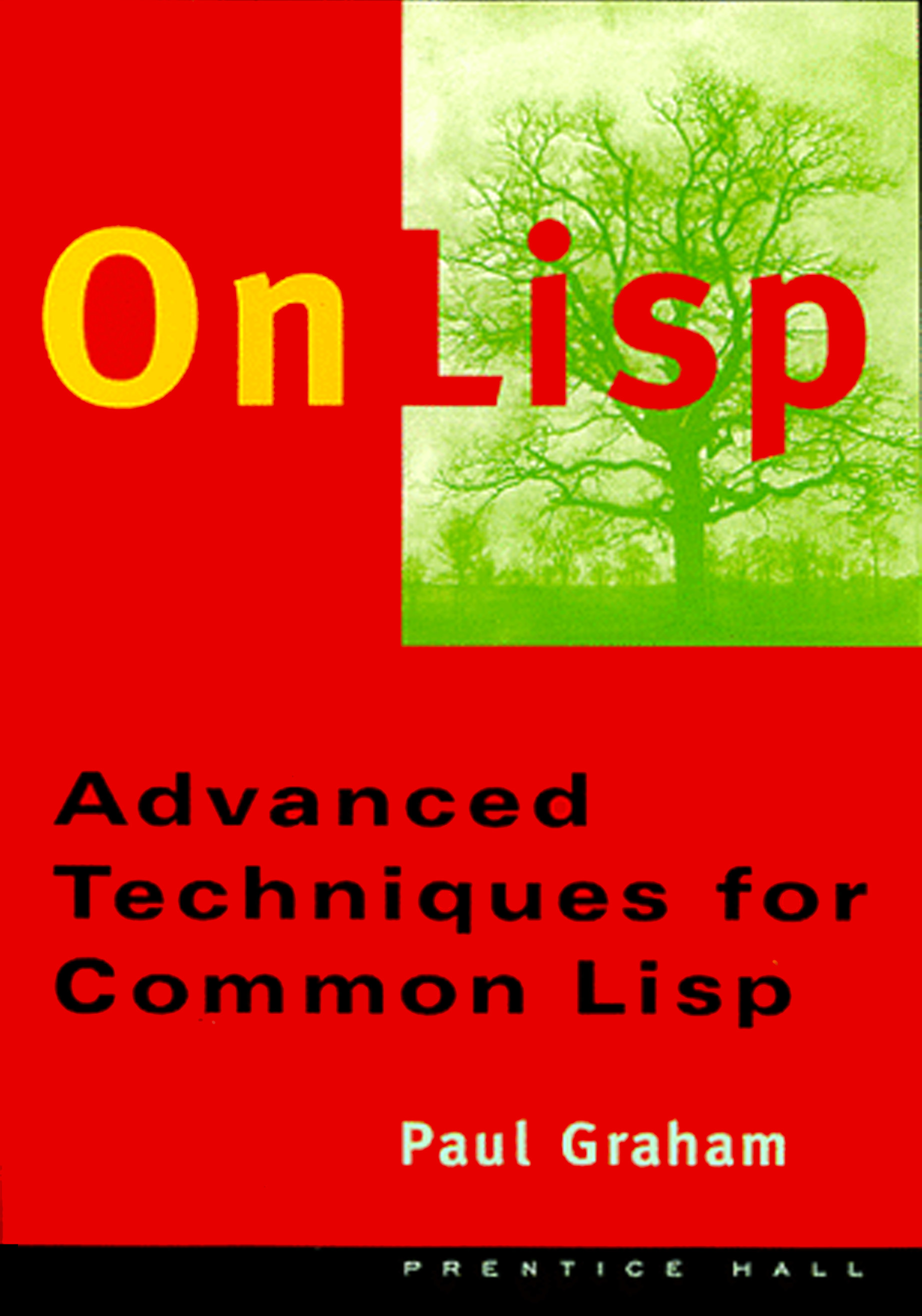
On Lisp
A comprehensive study of advanced Lisp techniques, with bottom-up programming as the unifying theme. It gives the first complete description of macros and macro applications.
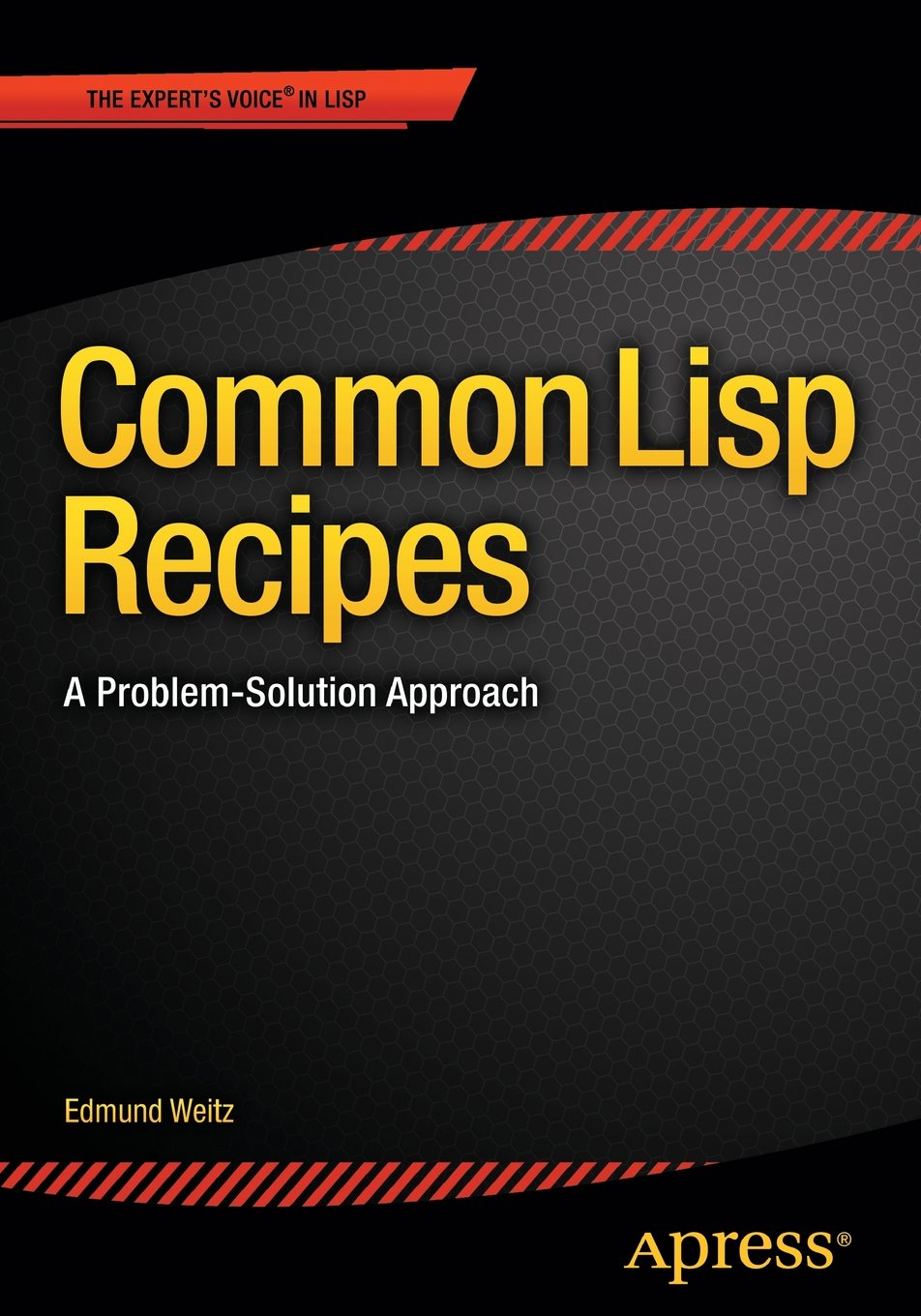
Common Lisp Recipes
Solutions to the problems you are likely to meet when writing real-world applications: web programming, databases, graphical user interfaces, other languages, multi-threading, debugging and optimization.
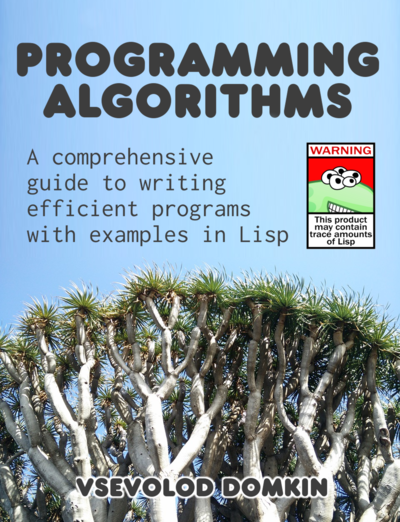
Programming Algorithms
A comprehensive guide to writing efficient programs, with examples in Lisp.
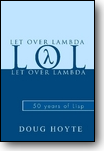
Let Over Lambda
One of the most hardcore computer programming books out there. Starting with the fundamentals, it describes the most advanced features of the most advanced language.

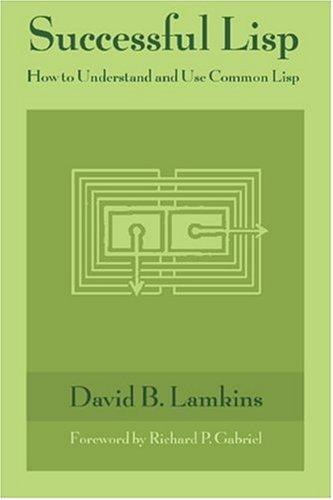
Loving Common Lisp, or the Savvy Programmer's Secret Weapon
A quick introduction to Common Lisp, followed by many fun and useful examples, from an author who has used the language professionally since 1982.
Also ANSI Common Lisp and Common Lisp in the Wild: Deploying Common Lisp Applications. CLiki keeps a more complete list of books.
The ANSI Common Lisp specification
The standard is published by ANSI. Its final draft is free, and the references below are made from it.
The Common Lisp Metaspec is the one to read: the whole draft rendered from its TeX sources, acknowledgements, appendix and errata included, the editors' margin notes kept, and the text also published as s-expressions for programs to use (source).
Other renderings of the same draft:
- The Common Lisp Community Spec (CLCS), freely licensed, searchable HTML.
- Novaspec, with cross-references and a search box.
- The standard draft as a PDF.
The Common Lisp HyperSpec (CLHS) is the hyperlinked edition most older books, posts and tools point to. It is not free: LispWorks permits only complete, unmodified, non-commercial copies, and no derivative works.
Systems and libraries
- ASDF, the system definition tool every implementation ships: its manual and its best practices for laying out and naming systems. The Cookbook's page on systems is the gentler introduction.
- Where the libraries are: the distributions and the directories, Awesome Common Lisp among them.
- portability.cl: which implementations each portability library supports.
Other resources
- The Common Lisp Cookbook
- Web Apps in Lisp: Know-how, building web applications in Common Lisp today
- CLiki, the Common Lisp wiki
- Quickdocs, documentation for all the libraries in Quicklisp
- Quickref, reference manuals for Quicklisp libraries
- The state of the ecosystem, in reviews: 2023 and 2024 on Lisp Journey, and the 2015 survey the series took its idea from
Getting help
If you need help, the mailing lists and IRC are where to ask. New to all of this? Begin with getting started.
Something wrong or missing here? Edit this page on GitLab.